Feature
Isoko’s Political Direction May Be Entering A Defining Phase

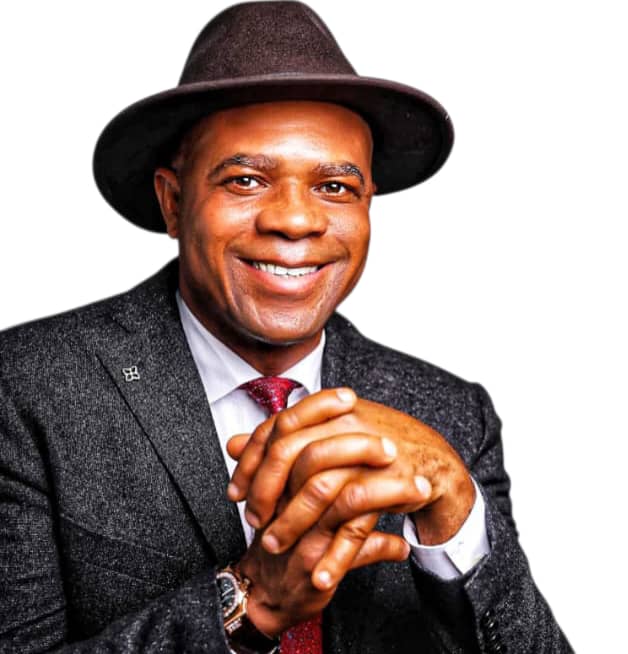
Across Nigeria, constituencies often gain stronger negotiating influence when internal political coordination is strengthened. For many years, Isoko politics reflected strong participation and competitive democratic engagement. However, that same vibrancy sometimes produced fragmentation across political offices and electoral cycles.
Recent political developments suggest that a gradual cultural adjustment may be taking place. There are growing signs of a shift towards coordinated engagement across political leadership levels and stakeholder interests.
This trend appears consistent with the broader political environment encouraged under Governor Rt Hon Sheriff Oborevwori’s M.O.R.E Agenda, which continues to emphasise inclusive governance, balanced growth, realistic development pathways, and sustained peace. The tone from recent stakeholder interactions at the state level, including consultations in Asaba, has reinforced the importance of cooperation over internal fragmentation.
Within Isoko, observers note that aspects of this broader state level direction are beginning to reflect in local political behaviour. Part of this transition is linked to stakeholder engagements associated with the Member representing Isoko North and South Federal Constituency, Rep. Jonathan Ajirioghene Ukodhiko.
During the last Christmas period, a wide consultation involving ward leadership, women leaders, local government party officers, and legislative stakeholders across both Isoko North and South was convened. The significance extended beyond the meeting itself. Participation reflected a willingness to move beyond earlier political alignments towards a shared constituency conversation.
There are also indications of increased attention to strengthening grassroots political coordination structures. Reports suggest that some ward level operational frameworks have received support aimed at improving organisational capacity and political engagement readiness.
For a constituency approaching another electoral cycle, internal coordination can significantly influence external political leverage. Political unity does not eliminate competition. However, it can strengthen negotiation outcomes and improve constituency level policy advocacy.
If this emerging culture of engagement and alignment is sustained, Isoko may approach future political cycles with stronger internal political cohesion than seen in previous years.
ALSO READ: Uvwie Monarch Confers Chieftaincy Titles On Christopher Agbatutu, Younger Brother
The durability of this shift will depend on whether political actors continue to prioritise collective constituency positioning alongside individual political ambition.
The coming political seasons will determine whether this evolving culture becomes a permanent feature of Isoko’s political character or remains part of a transitional moment.
Divramredje Lawrence Efeturi, Assoc.CIEPUK.
The Insight Pen
Writes from Oyede, Isoko North









2027: Jittery Dafinone Camp Sponsoring Worthless Petitions Against Me, Omo-Agege Cries Out

PHOTO NEWS: Ebizi Brown Hails Diri On Azikel Refinery, As Obasanjo Inaugurates Crude Distillation Unit

As 2027 Approaches, Comparing Elections In Nigeria With Other Countries…

The Use And Abuse Of Mobile Phones In Classroom Teaching

Pragmatic Progressivism: Soludo Throws APGA Weight Behind Tinubu’s Re-election Bid AT APC Presidential Campaign Council Inauguration

Oluatuegwu As A True Progressive For Greater Good

CDHR Urges Oborevwori To Establish Relief Camps For Evicted Uvwie Mammy Market Residents

Otefe: Delta State Polytechnic Announces 2026/2027 Post-UTME Screening Dates

Police Arrest One Suspect Over Death Of Delta Education Deputy Director

National Association Of Proprietors Of Private Schools Announces Activities For 2026 NAPPS Day

THE World University Rankings 2027 To Feature Record 2,297 Institutions

Edith Okowa Adopts 50 UNIDEL Students, Pledges Annual N200,000 Support

2nd Term: DELSU Postgraduate Students Purchase Nomination Form For Ivworin

Ughelli North Chairman Calls For Calm Over Death Of Delta Education Deputy Director


-
 News11 hours ago
Pragmatic Progressivism: Soludo Throws APGA Weight Behind Tinubu’s Re-election Bid AT APC Presidential Campaign Council Inauguration
-
News10 hours ago
PHOTO NEWS: Ebizi Brown Hails Diri On Azikel Refinery, As Obasanjo Inaugurates Crude Distillation Unit
-
Education11 hours ago
The Use And Abuse Of Mobile Phones In Classroom Teaching
-
Politics11 hours ago
Oluatuegwu As A True Progressive For Greater Good
-
Column11 hours ago
As 2027 Approaches, Comparing Elections In Nigeria With Other Countries…