Column
Still On The 1951 Western Regional House Of Assembly Cross-Carpeting…

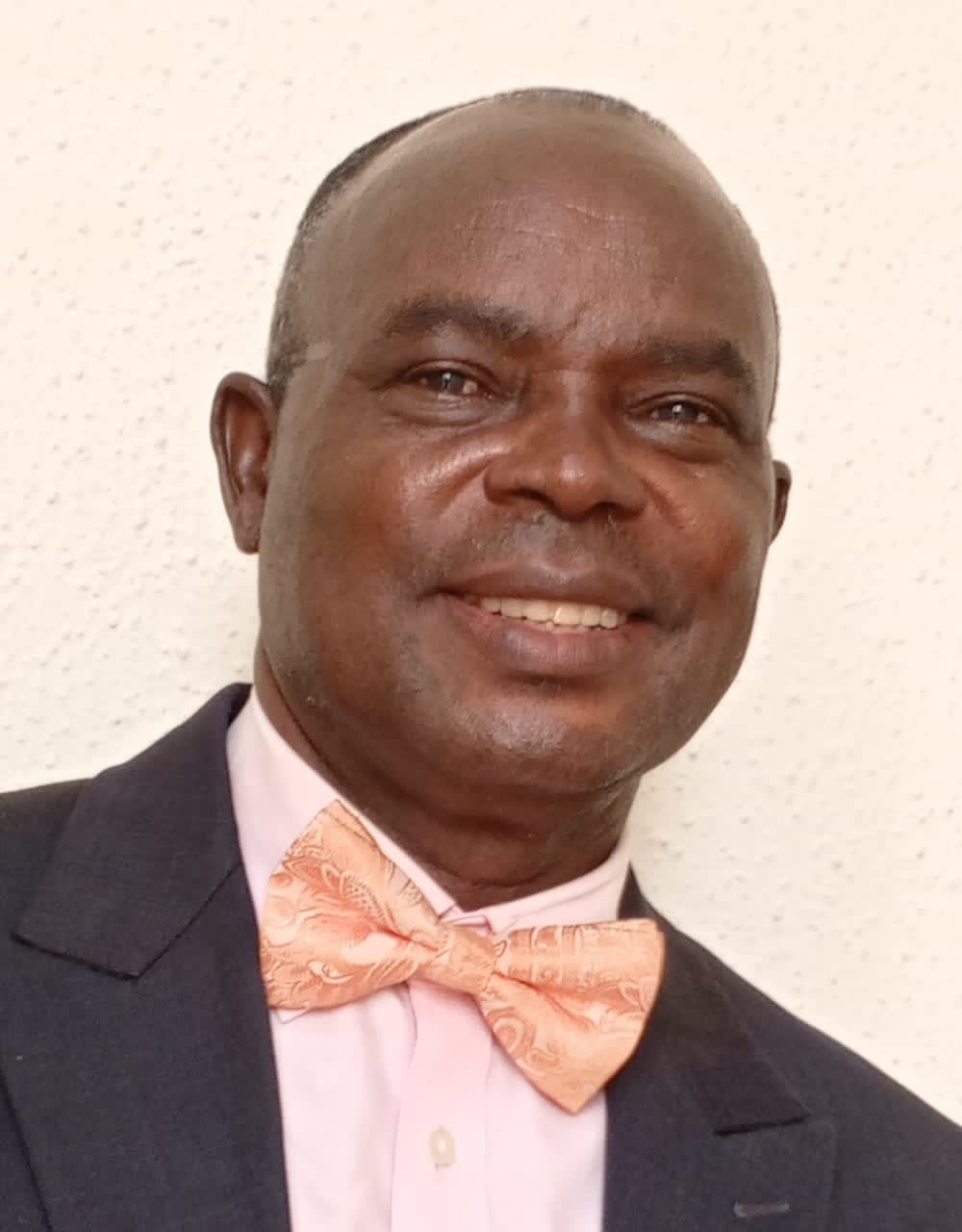
(Published in the ON THE LORD’S DAY column in the Sunday Tribune newspaper edition of Sunday, 13 September, 2026).
By Bolanle BOLAWOLE
[email protected] 0705 263 1058
Scripture says from the mouth of two or three witnesses the truth of a matter is established (Deuteronomy 19: 15; Matthew 18: 16; 2Corinthians 13: 1). So, today I bring another testimony to the so-called 1951 cross-carpeting saga in the Western Region House of Assembly. Taken from Wikipedia, it contains more details than what was published here last week. It reads:
“The Ibadan Peoples Party (IPP) was established on June 15, 1951 by a group of eminent Ibadan indigenes who opposed the policies which held sway in the Yorùbá-dominated Western Region, Nigeria in the 1950s. Its founding chairman was Chief Augustus Akinloye, and the other founders were: Chief Adegoke Adelabu, Chief Kola Balogun, Chief T. O. S. Benson, Chief Adeniran Ogunsanya and Chief H. O. Davies. The other leaders of the IPP were Chief S. A. Akinyemi, Chief S. O. Lanlehin, Chief Moyo Aboderin, Chief Samuel Lana, Chief D. T. Akinbiyi, Chief S. Ajunwon, Chief S. Aderonmu, Chief R. S. Baoku, Chief Akin Allen and Chief Akinniyi Olunloyo.
“Elections of 1951: When the election into the Western Region House of Assembly was completed in November 1951, the Action Group won 38 out of the 80 seats contested in the first set of elections. Independents (3 of them) who had been part of the inauguration of the Action Group (Egbe Afenifere) had, however, won seats as Independent candidates. In Ibadan, the Ibadan Peoples Party ( IPP) won all the six seats up for grabs while in Lagos, the NCNC won all the available five seats.
“Before the elections were held, Action Group and NCNC were making conflicting claims on the membership of the candidates. This was in spite of individuals like Chief Anthony Enahoro, who had been previously a card-carrying member of NCNC before the formation of Action Group, publicly declaring for Action Group and attending the inauguration of Action Group at Owo in February 1951.
“In an action to set the records straight, Mr. Harold Cooper, the Government Public Relations Officer, wrote to the parties to furnish a list of the candidates contesting election on their platforms. Only the Action Group complied with this request and its list of candidates was as follows: Ijebu Remo Division – Obafemi Awolowo and M.S. Sowole; Ijebu Ode Division – S.O. Awokoya, Rev. S.A. Banjo and V.D. Phillips; Oyo Division – Chief Bode Thomas, Abiodun Akerele, A.B.P. Martins, T.A. Amao and S.B. Eyitayo; Osun Division – S.L. Akintola, J.O. Adigun, J.O. Oroge, S.I. Ogunwale, I.A. Adejare, J.A. Ogunmuyiwa and S.O. Ola; Ondo Division – P.A. Ladapo and G.A. Deko; Okitipupa Division – Dr. L.B. Lebi, CA Tewe and SO Tubo; Epe Division – SL Edu, AB Gbajumo, Obafemi Ajayi and C.A. Williams; Ikeja Division – O. Akeredolu-Ale, S.O. Gbadamosi and F.O. Okuntola; Badagry Division – Chief C.D. Akran, Akinyemi Amosu and Rev. G.M. Fisher; Egba Division – J.F. Odunjo, Alhaji A.T. Ahmed, C.P.A. Cole, Rev S.A. Daramola, Akintoye Tejuoso, S.B. Sobande, I.O. Delano and A. Adedamola.
“The others were as follows: Egbado Division – J.A.O. Odebiyi, D.A. Fafunmi, Adebiyi Adejumo, A. Akin Illo and P.O. Otegbeye; Ife Division – Rev S.A. Adeyefa, D.A. Ademiluyi, J.O. Opadina, and S.O. Olagbaju; Ekiti Division – E.A. Babalola, Rev. J Ade Ajayi, S.K. Familoni, S.A. Okeya and D Atolagbe; Owo Division – Michael Adekunle Ajasin, A.O. Ogedengbe, J.A. Agunloye, L.O. Omojola and R.A. Olusa; Western Ijaw Division – Pere E.H. Sapre-Obi and M.F. Agidee; Ishan Division – Anthony Enahoro; Urhobo Division – W.E. Mowarin, J.B. Ohwinbiri and J.D. Ifode; Warri Division – Arthur Prest and O. Otere, and Kukuruku Division – D.J.I. Igenuma.
“Of the names on the list, only Michael Adekunle Ajasin from Owo Division, which comprised Akoko then, did not run because of party solidarity and unity in Owo. He stood down for A.O. Ogedengbe and R.A. Olusa to contest for two of the three seats, which they won, while D.K. Olumofin won the third seat for the NCNC. Three secretaries of the Action Group, who ran as independents and won, were Alhaji D.S. Adegbenro, Egba Division; J.O. Osuntokun, Ekiti Division and S.O. Hassan, Epe Division.
“At the close of polls on 24 September 1951, the Action Group had won 38 of the 72 seats in contention in the Regional Assembly. There were a total of 80 seats. Lagos had five seats in the West Regional Assembly, all won by the NCNC in the election of 20 November 1951 while Benin had three won by Otu Edo candidates in the election of 6 December, 1951. The poll had been postponed in Lagos and Benin following security concerns. Of the 68 candidates on the list furnished by the Action Group to the Government PR Department, 38 of the elected AG members were from that list. And they were as follows: Ijebu Remo – Obafemi Awolowo and M.S. Sowole; Ijebu Ode – Rev. S.A. Banjo and S.O. Awokoya; Oyo – Bode Thomas, Abiodun Akerele, A.B.P. Thomas, T.A. Amao and S.B. Eyitayo; Osun – S.L. Akintola, J.O. Adigun, J.A. Oroge, S.I. Ogunwale, I.A. Adejare, J.A. Ogunmuyiwa and S.O. Ola.
ALSO READ: Oborevwori To Swear In Auditor-General, Inaugurate Governing Councils Of 3 Delta Varsities
“Other elected AG members from the list were: Egba – J.F. Odunjo, Alhaji A.T. Ahmed, Rev. S.A. Daramola and Prince Adedamola; Egbado (now Yewa) – J.A.O. Odebiyi, D.A. Fafunmi and A. Akin Illo; Ekiti – E.A. Babalola and Rev. J. Ade-Ajayi; Badagry – Chief C.D. Akran and Rev. G.M. Fisher; Ikeja – S.O. Gbadamosi and O Akeredolu-Ale; Ife – Rev. SA Adeyefa and SO Olagbaju; Owo – AO Ogedengbe and R.A. Olusa; Epe – Safi Lawal Edu; Okitipupa – C.A. Tewe; Western Ijaw – M.F. Agidee; Ishan – Anthony Enahoro, and Warri – Arthur Prest.
“In addition to the Action Group and the NCNC, there were local/divisional parties such as the Ibadan People’s Party (IPP) led by Chief AMA Akinloye; Ondo Improvement League, and Otu Edo of Benin. At the end of the poll, the standing of the parties was as follows: Action Group 38; NCNC/Independents 25; IPP 6 and Ondo Improvement League 2. Otu Edo candidates won the three Benin seats, namely, Chief SO Ighodaro, Chief Humphrey Omo-Osagie and Chief Chike Ekwuyasi. Chief Ighodaro opted for the AG while the latter two went to the NCNC. And of the six IPP elected members, only Adegoke Adelabu joined the NCNC. The rest of them: AMA Akinloye, Chief DT Akinbiyi (who later became the Olubadan of Ibadan), Chief SO Lanlehin, Moyosore Aboderin and SA Akinyemi, opted for the Action Group.
“The NCNC National Secretary, the late Chief Kola Balogun, had sent declaration forms to the IPP assemblymen asking them to declare for the NCNC but Chief Akinloye returned all the forms uncompleted.
“The three AG secretaries who had run as independents – Adegbenro, Osuntokun and Hassan, five IPP members, one Etu Edo, and one Ondo Improvement League, Chief F.O. Awosika; and Chief Timothy Adeola Odutola (Independent, Ijebu Ode) had swollen the number of the AG elected members (38+3+5+1+1+1 totalling 49 members out of 80 seats).
“All the transactions had taken place before the inauguration of the Regional Assembly on 7 January, 1952. These (those who allegedly cross-carpeted to the AG) were not known members of the NCNC, nor did the party publish their names on the list of its candidates. For over a half century, the NCNC has yet to provide evidence to back its claim that it had won the West Regional election in 1951.
“Mr. Cooper absolved his department of responsibility for the controversy generated by the NCNC after the election. At a post-election news conference in Lagos, he said: ‘Of the winning candidates, the names of 38 were on the list sent to me by the Action Group. The six successful candidates at Ibadan were all among those who had been identified to me as representing the Ibadan People’s Party. No claim of any kind had reached us about the party affiliation of the remaining successful candidates.’
“Why did the NCNC not send a list of its candidates for the poll to the Government PR Department before that poll? The records of the poll conducted in the West and all over Nigeria by the colonial administration are available at the National Archives and can be accessed by any honest researcher. In this matter, it is facts that speak, not what some political/ethnic partisans said or did not say…”
Need we say more on this matter?
FEEDBACK
Left to me, the much talked-about “handshake across the Niger” is quite elusive and even unnecessary. Was it not Azikwe who betrayed Chief Awolowo who was accused of treason and then sent to jail? – Dr. JF Olukotun.
No amount of facts placed before the Ibo on political events in Nigeria will change their beliefs and stereotypes. Tell them that (Herbert) Macaulay founded the NNDP that later became the NCNC and they will pour venom on you! – Labi Daramola.
This well researched and lucid publication should permanently debunk the distortion that had marred cordial political relations between the Yoruba and Igbo. It is also timely to discourage propaganda based on lies against the Yoruba. -Ambassador Gani Adeyemi.
Thanks for revisiting history to wrestle the truth from deliberate but successful distortion. I am concerned mainly for the possible return of the true humanity of the two ethnic nationalities between whom the distorted truth was sown and (which) has been doing invidious havoc (ever) since. Achebe did say in one of his classic novels that a father, even if he were a compulsive liar, wouldn’t tell his son an untruth… But, unfortunately, this great wisdom was what Achebe himself flouted in his 1983 collection of essays in ‘The Trouble With Nigeria.’ There are so many distortions of truth in the book, but I am particular about his categorical allegation that Awolowo destroyed the Nigeria dream… When the novel was being serialized in The Guardian newspaper, I was distressed by the fact that it was Awolowo who (was said to have) killed the Nigeria dream. Now, I know better! Just as you said, the way out is to first set out the truth by critically examining the past and finding a common ground devoid of the ancient lies of the fathers. – McLayode.
Thank you for bringing up this issue again, at least to educate some of our youths who are being fed with spurious propaganda. Personally, I think the issue had been laid to rest by the publication of Ganiyu Dawodu, who was Action Group’s Organising Secretary at the time. The publication titled “Who won the 1952 Western Region election?” was commissioned by the late Alfred Rewane (and) gave details of the political alignment of each of the elected members to the House. It was an unbiased analysis and came to the conclusion that the Action Group of Chief Awolowo had more members than Zik’s NCNC. This view was later supported by Bola Ige and Odia Ofeimun. In his book titled Odyssey, Zik assumed that some members were NCNC just because they welcomed him when he visited them! He confessed that they were never NCNC card-carrying members. The six-member Ibadan Peoples Party led by Chief AMA Akinloye, which tilted the balance of power, were never NCNC members. Only the seventh member, Adegoke Adelabu, opted for NCNC. In my own little way, I narrated the saga in my book titled “Snapshots of some Nigerian and International events” published in 2015. – Prof. Olabode Lucas.
* Former Editor of PUNCH newspapers, Chairman of its Editorial Board and Deputy Editor-in-Chief, BOLAWOLE was also the Managing Director/Editor-in-Chief of The Westerner newsmagazine. He writes the ON THE LORD’S DAY column in the Sunday Tribune and TREASURES column in the New Telegraph newspaper on Wednesdays. He is also a public affairs analyst on radio and television.


CDHR Appeals To Delta CP For Thorough Profiling Of Suspects In Ughelli VCRU Assault Case

“We Temporarily Unsealed Agbah’s Premises, He Has Till October 31 To Remove Structure” — Ughelli North Council

2ND CORONATION ANNIVERSARY: Oborevwori Celebrates Asagba Of Asaba

THISDAY Correspondent In Warri To Bury Mother October 30

Tinubu Mourns NAF Personnel In Ondo Jet Crash, Orders Thorough Investigation

Arome Osayi Documents 16 Years of Marketplace Apostleship in New Book

Tobore Agbah: Jaro Egbo Explains Demolition Action, Says NDC Rally Not Reason For Enforcement

DELSU Releases 2026/2027 UTME Cut-Off Marks, Clinical Science Tops With 77.3

BREAKING: DELSU Releases First Batch Admission List, VC Confirms

Otefe: Delta State Polytechnic Announces 2026/2027 Post-UTME Screening Dates

Edith Okowa Adopts 50 UNIDEL Students, Pledges Annual N200,000 Support

THE World University Rankings 2027 To Feature Record 2,297 Institutions

Police Arrest One Suspect Over Death Of Delta Education Deputy Director

Delta Police Rescue Kidnap Victim, Arrest 10 Suspects, Recover Firearm, Drugs


-
 News16 hours ago
“We Temporarily Unsealed Agbah’s Premises, He Has Till October 31 To Remove Structure” — Ughelli North Council
-
News19 hours ago
Tinubu Mourns NAF Personnel In Ondo Jet Crash, Orders Thorough Investigation
-
News18 hours ago
THISDAY Correspondent In Warri To Bury Mother October 30
-
News18 hours ago
2ND CORONATION ANNIVERSARY: Oborevwori Celebrates Asagba Of Asaba
-
News2 hours ago
CDHR Appeals To Delta CP For Thorough Profiling Of Suspects In Ughelli VCRU Assault Case