
News
FG Denies Allegation Of Hidden Spending, Says FAAC Deductions Are Legitimate Fiscal Transfers

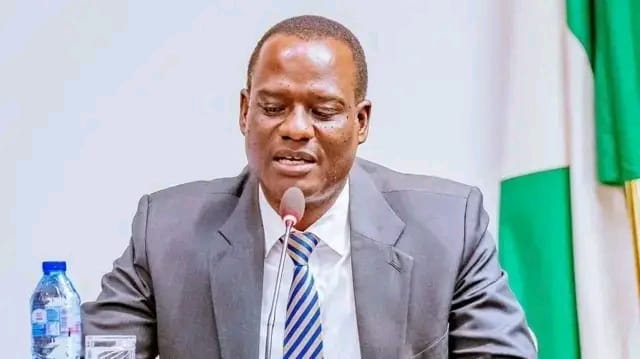
The Federal Ministry of Finance has dismissed recent media reports alleging hidden spending and diversion of federation revenue, describing the claims as a misrepresentation of the latest Nigeria Development Update released by the World Bank.
In a press statement issued on April 19, the ministry said reports suggesting that a significant portion of federation earnings is being diverted or classified as “hidden spending” reflect a misunderstanding of Nigeria’s fiscal system and the findings of the World Bank report.
According to the ministry, the misreporting wrongly described deductions made by the Federation Account Allocation Committee (FAAC) as waste or missing funds. It explained that FAAC deductions include statutory transfers, savings and investments, security-related expenditures, cost-of-collection charges, refunds to Ministries, Departments and Agencies (MDAs), as well as transfers and interventions benefiting subnational governments.
The ministry stressed that refunds and transfers to states and other tiers of government are not leakages but legitimate fiscal flows, including repayments of obligations and allocations backed by law.
ALSO READ: NSCDC Declares Abdulazeez Musa, Alias ‘Arab Money,’ Wanted Over Alleged Kidnapping
It also faulted some commentaries for relying on outdated data while ignoring ongoing public financial management reforms highlighted in the World Bank report.
The statement noted that reforms introduced in early 2026, including the recently signed Executive Order aimed at safeguarding the remittance of petroleum revenues, are already addressing concerns around deductions and are expected to improve transparency while increasing revenues available to all tiers of government by about 0.4 percent of GDP annually.
On the broader economic outlook, the ministry said the World Bank report presented a positive and forward-looking assessment of Nigeria’s economy, highlighting that growth is becoming more broad-based across sectors, inflation is gradually declining due to policy actions, and the country’s external position has improved with stronger reserves and a current account surplus.
It added that debt indicators have also improved, including a decline in Nigeria’s debt-to-GDP ratio for the first time in over a decade.
The ministry maintained that the World Bank did not conclude that Nigeria’s fiscal system was collapsing or that reforms had failed, but rather affirmed that reforms are working and should be sustained and deepened to achieve inclusive growth.
It reaffirmed the Federal Government’s commitment to strengthening fiscal transparency, improving revenue mobilisation, ensuring efficient public spending, and deepening reforms to support economic growth.
The statement urged stakeholders, media organisations and the public to engage responsibly with fiscal information and avoid distorted interpretations capable of undermining reform efforts and fueling public discord.
The statement was signed by Taiwo Oyedele, Honourable Minister of State for Finance, Federal Republic of Nigeria.









Under Governor Soludo, Anambra Is Rising, Poverty Is Reducing

Oyowe Thanks NUJ Members, Stakeholders After Re-election As Delta Chairman

Olisa Inspects Construction Of Agwetiti Assembly Hall, Assures Completion

Ahon Urges Delta NUJ To Embrace Unity, Deepen Partnership with Government

Oborevwori Congratulates Oyowe On Re-election As Delta NUJ Chairman

Delta NUJ: Obieh Thanks Supporters, Congratulates Oyowe, Says 17-Vote Loss Not Defeat

History Made As Oasis Magazine Chapel Votes In NUJ Delta Elections, Umukoro, Abuza React

Otefe: Delta State Polytechnic Announces 2026/2027 Post-UTME Screening Dates

Police Arrest One Suspect Over Death Of Delta Education Deputy Director

National Association Of Proprietors Of Private Schools Announces Activities For 2026 NAPPS Day

2nd Term: DELSU Postgraduate Students Purchase Nomination Form For Ivworin

THE World University Rankings 2027 To Feature Record 2,297 Institutions

Delta Police Foil Kidnap Attempt in Abraka, Arrest Two Suspects


