
Education
The Use And Abuse Of Mobile Phones In Classroom Teaching

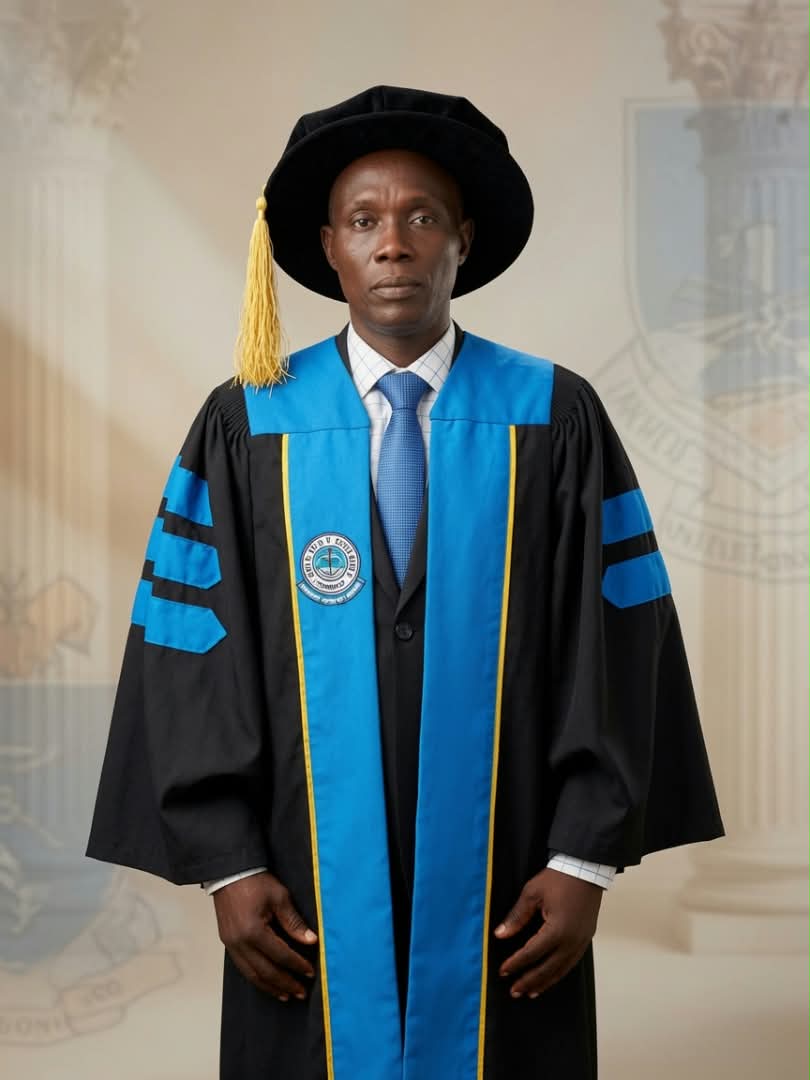
By Ogwezzy Richardson Ph.D
Mobile phones have become valuable instructional materials in modern education. They provide teachers with access to digital textbooks, current information, pictures, maps, educational videos and other resources that can enrich classroom teaching. When properly used, they can simplify difficult concepts and make learning more interesting. However, the growing tendency of some teachers to depend excessively on phones during classroom instruction calls for concern.
In Nigeria, where classrooms often accommodate large numbers of students, displaying information on a teacher’s phone may not be practical because only a few students can view the screen clearly. Therefore, teachers should use their phones primarily to prepare for lessons, study relevant materials and select valuable information that will improve their explanations. Where necessary, important information can be transferred to the board or presented through suitable instructional materials that the entire class can access.
The concern is that some teachers now sit throughout lesson periods, reading from their phones and dictating notes without adequate explanation or meaningful interaction with students. This practice may create the wrong impression that teaching consists mainly of reading information from a screen for students to copy. It can also reduce students’ understanding and undermine the teacher’s professional role. Furthermore, information obtained online must be verified to ensure its accuracy and relevance to the approved curriculum.
Although mobile phones have educational advantages, teachers must use them wisely. They should prepare their lessons with the help of their phones, select relevant information and explain it clearly to students. Principals should discourage excessive dependence on phones and ensure effective classroom teaching. The government also has a responsibility to provide clear guidelines on the professional use of digital technology in schools and organise training to help teachers integrate it effectively into classroom instruction.
Mobile phones should help teachers prepare and teach, not replace effective teaching. Students need proper explanations, meaningful interaction, practical demonstrations, opportunities to ask questions and guidance that develops their understanding, critical thinking and ability to apply what they learn. The ultimate goal of teaching should be meaningful learning, not merely the copying of notes.
Dr. Ogwezzy Richardson is the Centre Coordinator of Delta State College of Education, Mosogar, Utagba-Ogbe Grammar School Centre under the Dual Mandate Programme of NCE, B.Sc.(Ed.), B. A.(Ed.) and B. Ed. programme.


PHOTO NEWS: Ebizi Brown Hails Diri On Azikel Refinery, As Obasanjo Inaugurates Crude Distillation Unit

As 2027 Approaches, Comparing Elections In Nigeria With Other Countries…

The Use And Abuse Of Mobile Phones In Classroom Teaching

Pragmatic Progressivism: Soludo Throws APGA Weight Behind Tinubu’s Re-election Bid AT APC Presidential Campaign Council Inauguration

Oluatuegwu As A True Progressive For Greater Good

CDHR Urges Oborevwori To Establish Relief Camps For Evicted Uvwie Mammy Market Residents

2026 Ranking: DELSU Ranks 13th As Delta Universities Make Google Scholar List

Otefe: Delta State Polytechnic Announces 2026/2027 Post-UTME Screening Dates

Police Arrest One Suspect Over Death Of Delta Education Deputy Director

National Association Of Proprietors Of Private Schools Announces Activities For 2026 NAPPS Day

THE World University Rankings 2027 To Feature Record 2,297 Institutions

Edith Okowa Adopts 50 UNIDEL Students, Pledges Annual N200,000 Support

2nd Term: DELSU Postgraduate Students Purchase Nomination Form For Ivworin

Ughelli North Chairman Calls For Calm Over Death Of Delta Education Deputy Director


-
 News17 hours ago
CDHR Urges Oborevwori To Establish Relief Camps For Evicted Uvwie Mammy Market Residents
-
Education17 hours ago
2026 Ranking: DELSU Ranks 13th As Delta Universities Make Google Scholar List
-
News18 hours ago
National Shame: ISRCA Tackles Government Over 120 Nigerians Repatriated From Ghana
-
News4 hours ago
Pragmatic Progressivism: Soludo Throws APGA Weight Behind Tinubu’s Re-election Bid AT APC Presidential Campaign Council Inauguration
-
Politics4 hours ago
Oluatuegwu As A True Progressive For Greater Good