News
Nationwide Blackout Looms As Power Firms Threaten Shutdown Over N4Trn Debt

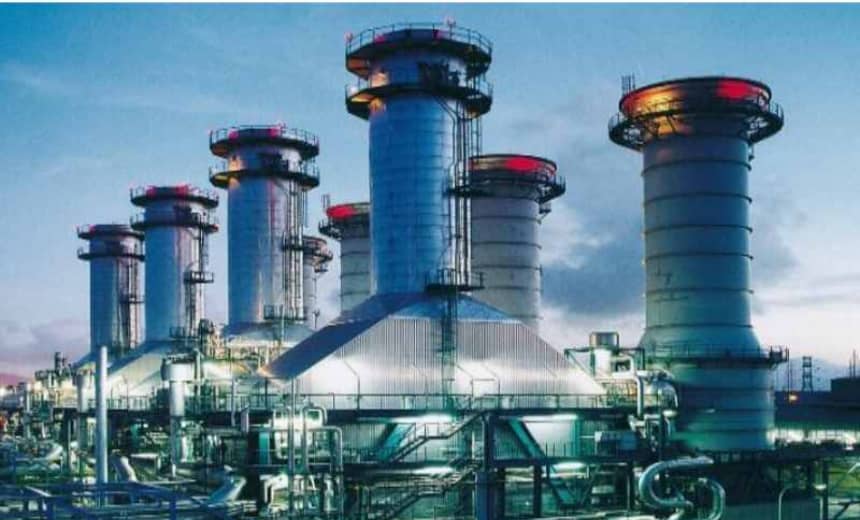
Power generation companies (GenCos) in Nigeria have issued a stark warning of a looming nationwide blackout due to a massive N4 trillion debt owed by the federal government.
In a statement released on Monday by Colonel Sani Bello, Chairman of the Board of Trustees of the Association of Power Generation Companies (APGC), the GenCos revealed they are owed N2 trillion for electricity supplied in 2024, alongside an outstanding N1.9 trillion in legacy debts.
ALSO READ: 2027: Tinubu, Buhari, Akpabio, To Meet In London
The companies lamented that they receive less than 30% of payments on their monthly invoices for power supplied to the national grid, making it difficult to sustain operations.
“The power generation companies are at the heart of the ongoing liquidity crisis in the Nigerian Electricity Supply Industry (NESI),” the statement read.
“Despite major investments to boost capacity, GenCos continue to grapple with systemic obstacles, unfavorable policies, and mounting debts—without any concrete repayment plan.”
They warned that if the financial strain continues, it could lead to a total collapse of the power supply chain and trigger widespread blackouts across the country.
According to the GenCos, the payment collection rate for 2024 has dropped below 30%, with 2025 showing no signs of improvement. They also cited other challenges such as heavy taxation, high regulatory fees, and unstable foreign exchange, all of which are worsening their financial strain.
Despite consistently supplying electricity since the Partial Activation of Contracts in July 2022, the companies said they are not being fully compensated.
They urged the government to intervene immediately to prevent a full-scale shutdown, warning that the consequences could escalate into a national security threat. They also criticized the N900 billion allocated to the power sector in the 2025 budget as grossly inadequate.
Calling for urgent reforms, the GenCos proposed a structured debt repayment plan—through cash payments, financial instruments, or debt swaps—to prevent the collapse of power generation in the country.









CDHR Urges Oborevwori To Establish Relief Camps For Evicted Uvwie Mammy Market Residents

2026 Ranking: DELSU Ranks 13th As Delta Universities Make Google Scholar List

National Shame: ISRCA Tackles Government Over 120 Nigerians Repatriated From Ghana

NSE Warri: Okorodudu Hails Incoming Chairman, Pledges Stronger Partnership

NAPPS Delta Chairman Says Secretariat Project Won’t Stop At Groundbreaking, As South-South VP Hails Chapter

Dispense Justice Without Fear Or Favour, Oborevwori Tells Judges

Ajede Marks 2026 International Day Of ‘The Girl Child’ With Empowerment Programme In Ukwuani

Otefe: Delta State Polytechnic Announces 2026/2027 Post-UTME Screening Dates

Police Arrest One Suspect Over Death Of Delta Education Deputy Director

THE World University Rankings 2027 To Feature Record 2,297 Institutions

National Association Of Proprietors Of Private Schools Announces Activities For 2026 NAPPS Day

Edith Okowa Adopts 50 UNIDEL Students, Pledges Annual N200,000 Support

2nd Term: DELSU Postgraduate Students Purchase Nomination Form For Ivworin

Ughelli North Chairman Calls For Calm Over Death Of Delta Education Deputy Director


-
 Education17 hours ago
NAPPS Delta Chairman Says Secretariat Project Won’t Stop At Groundbreaking, As South-South VP Hails Chapter
-
News14 hours ago
NSE Warri: Okorodudu Hails Incoming Chairman, Pledges Stronger Partnership
-
Education4 hours ago
2026 Ranking: DELSU Ranks 13th As Delta Universities Make Google Scholar List
-
News4 hours ago
CDHR Urges Oborevwori To Establish Relief Camps For Evicted Uvwie Mammy Market Residents
-
News5 hours ago
National Shame: ISRCA Tackles Government Over 120 Nigerians Repatriated From Ghana