
Feature
VAT Hits N2.42 Trillion As Tinubu’s Tax Reforms Begin To Deliver Results

By Arábìnrin Adérónke
The latest Value Added Tax (VAT) report released by the National Bureau of Statistics (NBS) provides strong evidence that Nigeria’s tax and economic reforms are beginning to produce measurable results.
According to the NBS, VAT collections reached N2.42 trillion in the first quarter of 2026, representing a 17.06 per cent increase from the N2.07 trillion recorded in the same period of 2025. The figure also reflects a 9.98 per cent increase compared to the N2.20 trillion generated in the fourth quarter of 2025.
These numbers are significant because they indicate growing economic activity, improved tax compliance and stronger revenue administration. More importantly, they demonstrate that Nigeria is making progress in its long standing effort to reduce dependence on oil revenue.
A closer look at the data reveals where the growth is coming from. Of the N2.42 trillion collected in the first quarter, local VAT payments contributed N1.11 trillion, foreign VAT payments accounted for N830.47 billion, while import VAT generated N477.55 billion. The strong performance of foreign VAT highlights the increasing contribution of the digital economy and cross border transactions to government revenue.
The sectoral breakdown is equally revealing. The manufacturing sector remained the largest contributor, accounting for 29.75 per cent of total VAT collections. This was followed by the information and communication sector at 20.61 per cent, while mining and quarrying contributed 12.32 per cent.
These figures show that productive sectors of the economy are expanding and contributing more to national revenue. Manufacturing growth is particularly important because it supports industrialisation, job creation and value addition within the economy. Similarly, the strong performance of the information and communication sector reflects the growing importance of technology, telecommunications and digital services in Nigeria’s economic transformation.
ALSO.READ: Ika South Commences N50,000 Bursary Disbursement To Students
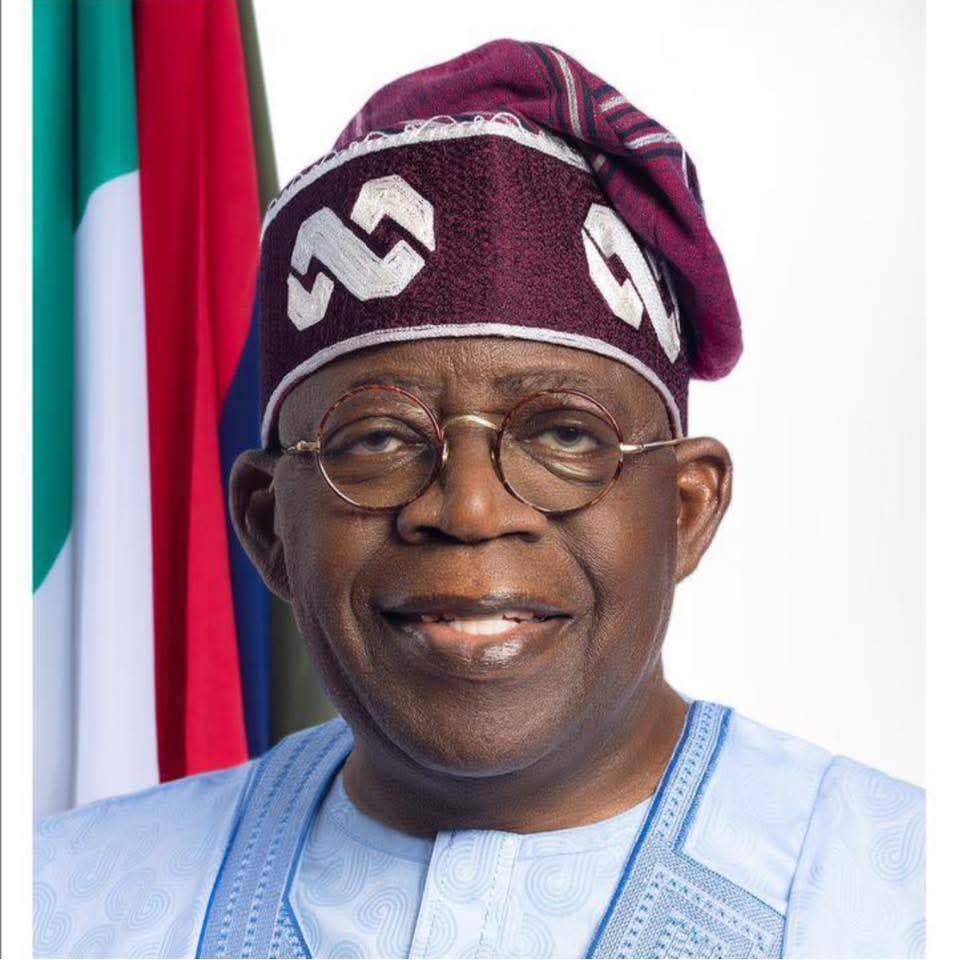
The VAT growth reported by the NBS did not happen by accident. It reflects the impact of ongoing economic reforms introduced by the administration of President Bola Ahmed Tinubu. Since assuming office, the administration has prioritised fiscal reforms aimed at strengthening government revenue, improving tax efficiency and creating a more sustainable economic framework.
An important part of this effort has been the drive to modernise tax administration and improve compliance. In this regard, the leadership of the Nigeria Revenue Service (NRS) deserves recognition for its commitment to enforcing tax laws, reducing leakages, expanding the tax net and leveraging technology to improve collection processes.
The increase in VAT revenue demonstrates that effective tax administration can boost government income without necessarily increasing tax rates. Instead, better compliance, improved monitoring and stronger enforcement can generate substantial gains while supporting economic growth.
For policymakers, the message from the NBS report is clear. Nigeria’s future lies in building a diversified revenue base anchored on productive economic activity rather than relying heavily on crude oil earnings. Stronger non oil revenue provides government with more resources to invest in infrastructure, education, healthcare, security and other development priorities.
While challenges remain, the first quarter VAT figures provide reasons for optimism. A 17.06 per cent year on year increase in VAT revenue, combined with strong contributions from manufacturing, telecommunications and mining, suggests that the foundations for sustainable economic growth are gradually being strengthened.
The NBS report is therefore more than a revenue update. It is an indication that tax reforms are taking effect, economic activity is expanding and Nigeria is moving closer to a more resilient and diversified economy. If current reforms are sustained, the country’s fiscal outlook will continue to improve, creating greater opportunities for growth, investment and national development.
The message from the latest NBS data is straightforward. Nigeria’s tax reforms are beginning to work, revenue generation is improving and the country is building a stronger foundation for long term economic prosperity.
Arábìnrin Adérónke Atoyebi is an award-winning investigative journalist, Technical Assistant on Broadcast Media to the Executive Chairman of the Nigeria Revenue Service.









Excellence As An Identity: The Soludo Genius

Oborevwori Charges Governing Councils Of State-Owned Universities On Financial Autonomy

Ogwashi-Uku Elects New Youth Executive, As Youth Commissioner, Brave, Urges Peace Building

Police Rescue Kidnapped Woman In Oghara, Arrest 54 Suspected Cultists In Eku, Obiaruku

OML 30 Flow Stations: PGs Give Heritage 2-Week Ultimatum, Demand Payment Of Contractors, Others

Interrogating Tinubu’s Recurring Absence At The UN General Assembly…

2027: Ebizi Re-election Gains Momentum As Constituency Women, Asamabiri Youths Endorse Her

2026: Delta Releases JSS 3 Results As 85,049 Candidates Pass

DELSU Releases 2026/2027 UTME Cut-Off Marks, Clinical Science Tops With 77.3

BREAKING: DELSU Releases First Batch Admission List, VC Confirms

Ukwuani: Chief Fredrick Ezenwiwe Declared Missing After Going To Farm

2026/2027 Admission: DELSU Begins Sale Of Diploma CEP Forms

NDC Accuses INEC Of Replacing Party Candidates With ‘Strange Names’

Delta: NAPPS Day, Groundbreaking For World-Class Secretariat To Hold October 12


-
 Crime11 hours ago
Police Rescue Kidnapped Woman In Oghara, Arrest 54 Suspected Cultists In Eku, Obiaruku
-
Column17 hours ago
Interrogating Tinubu’s Recurring Absence At The UN General Assembly…
-
News12 hours ago
OML 30 Flow Stations: PGs Give Heritage 2-Week Ultimatum, Demand Payment Of Contractors, Others
-
News7 hours ago
Ogwashi-Uku Elects New Youth Executive, As Youth Commissioner, Brave, Urges Peace Building
-
Education7 hours ago
Oborevwori Charges Governing Councils Of State-Owned Universities On Financial Autonomy