
News
NDDC Launches Campaign On Mental Health In Niger Delta Communities

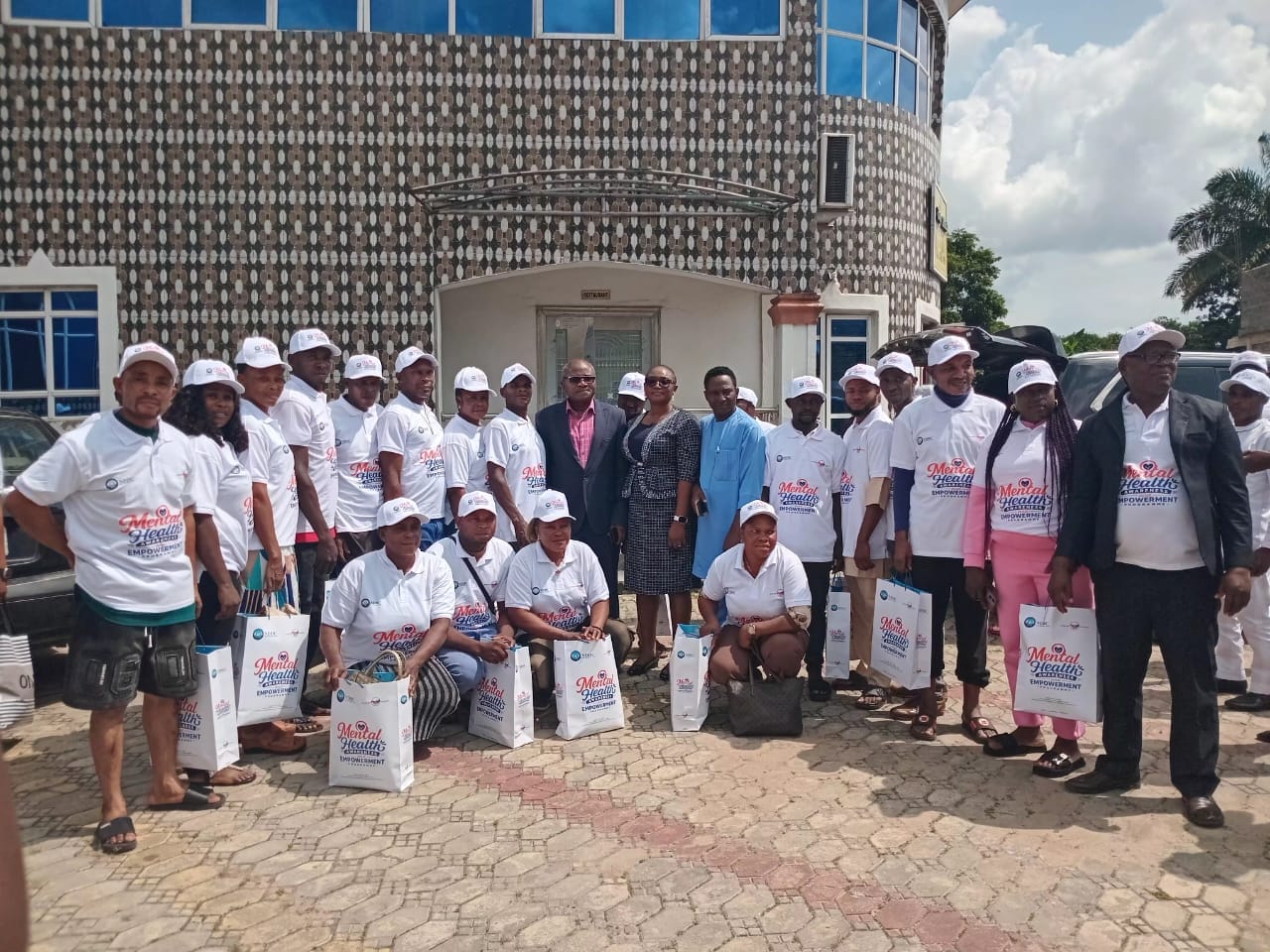
The Niger Delta Development Commission (NDDC) has launched a grassroots mental health awareness campaign aimed at tackling stigma, promoting early intervention and equipping communities with practical coping skills.
It described mental health as a growing public health challenge that required urgent collective action.
The initiative, organised in collaboration with the Promise Kept Foundation, brought together participants from Delta North and Delta South senatorial districts of Delta State at Obinomba, Ukwuani Local Government Area, on Tuesday, with the Commission announcing plans to cascade the training across communities in the Niger Delta.
Representing the Chairman of the NDDC Governing Board, Chief Chiedu Ebie, a Senior Aide, Dr. Godwin Edozie, said the programme was conceived in response to the increasing burden of mental health disorders, many of which go unnoticed until they result in personal and social consequences.
“The essence of this programme is that we discovered mental health challenges have become a serious problem, not only in the Niger Delta but across the country. Many people harm themselves without even realising it. We believe we have to start somewhere by creating awareness and talking to people about solutions,” Edozie said.
He noted that the Commission assembled leading experts in psychiatry, psychology and medical humanities to provide practical knowledge to participants, adding that the overwhelming turnout underscored the need for sustained public engagement.
“We are going to cascade this training and spread it more,” he said.
ALSO.READ: Oborevwori Salutes Nduka Obaigbena At 67, Hails Media Icon’s Enduring Legacy
Earlier in his welcome address, Edozie described mental illness as an “unnoticed health crisis,” stressing that many people appear physically healthy, while silently struggling with psychological conditions that affect relationships, productivity and decision-making.
“The NDDC considers mental health critical, and the beginning point is taking this knowledge directly to the people,” he said, adding that the Chairman of the Governing Board, Chief Chiedu Ebie, comes from a family with a long history of psychiatric practice, being the son of one of Nigeria’s foremost psychiatrists.
Chairman of the Nigerian Medical Association (NMA), Delta State, Dr. Israel Adaigho, who delivered a lecture titled “Breaking the Stigma Around Mental Health,” distinguished between mental health and mental illness, explaining that mental health encompasses emotional, psychological and social well-being.
He said stigma remained one of the greatest barriers preventing people from seeking help, noting that more than 90 per cent of people living with mental illness were not those seen wandering the streets, but individuals living within communities, battling depression, unemployment, anxiety and suicidal thoughts.
Adaigho attributed stigma to misconceptions that people with mental illness were inherently violent or morally deficient and called for greater integration of mental healthcare into general hospitals, rather than restricting treatment to psychiatric institutions.
He urged families, schools, healthcare workers, the media and community leaders to champion awareness campaigns, while encouraging individuals to seek professional help whenever they experienced persistent sadness, severe mood swings, social withdrawal or thoughts of self-harm.
Addressing concerns over substance abuse, he said many drug-dependent persons suffered from treatable illnesses rather than criminal tendencies, advocating expanded community advocacy and increased access to rehabilitation services through primary healthcare referrals.
Responding to questions, Adaigho said people living with chronic psychiatric disorders can recover with appropriate treatment and support, while noting that although women appear more frequently in hospital data due to health-seeking behaviour and hormonal influences, men are often underdiagnosed.
Also speaking, Senior Lecturer and Medical Humanities scholar at Delta State University, Abraka, Dr. Stephen Kekeghe, examined the relationship between mental health and emotional intelligence, explaining how psychological distress affected thinking, emotions and behaviour.
He identified bereavement, violence, economic hardship, substance abuse, career pressures and environmental stress as common triggers of mental disorders and encouraged participants to build resilience through mindfulness, exercise, adequate sleep, supportive relationships, self-awareness and timely professional intervention.
Kekeghe described emotional intelligence as the ability to recognise, understand and manage one’s own emotions, while responding effectively to the emotions of others, saying these skills were essential for healthier families, workplaces and communities.
Medical Laboratory Scientist from Nnamdi Azikiwe University, Awka, Dr. Nosakare Osakue, focused on practical coping mechanisms and youth empowerment, explaining the body’s stress response and teaching participants simple grounding techniques for managing anxiety.
She recommended meditation, regular exercise, adequate sleep, creative activities and healthy social connections as effective stress-management strategies, while advising young people battling addiction to “play the tape to the end” by reflecting on the long-term consequences of substance abuse before acting on cravings.
According to her, resilience is built through consistent daily habits, self-control, reflection and continuous self-development.
Beyond awareness, the NDDC also linked mental health to economic empowerment. Edozie disclosed that the Commission is expanding youth development initiatives, including skills acquisition programmes, entrepreneurship support and scholarships, noting that about 600 scholarship opportunities were available for qualified applicants pursuing higher education.
He acknowledged challenges with previous empowerment programmes where beneficiaries sold their starter packs, stressing that the Commission remained committed to designing interventions that produce lasting impact.
“The current Board of the NDDC is determined to change the lives of Niger Deltans as much as available resources can carry,” he said.
Principal Manager, Youths, Sports, Culture and Women Affairs/HOD, Delta State Office, Warri, Omawumi Omadoye, commended the Governing Board, management and consultants for organising the programme and urged participants to apply the knowledge gained within their communities.
Other NDDC officials at the event included Dr. Aikhomu Ufuoma and Assistant Administration Officer, Evelyn Itseoluwa.
Participants described the seminar as timely and enlightening.
Patricia Enwefoh from Ika East LGA said the training helped participants understand that mental health affects everyone and challenged long-held misconceptions.
“This awareness programme has enlightened us to know that every one of us experiences mental health challenges in one way or another. It taught us not to stigmatise people living with mental illness but to understand and care for them. I will share this knowledge and encourage people to show love and support to those facing mental health challenges,” she said.
Godspower Oterai from Igbide Community in Isoko South said the sessions provided practical knowledge that would improve community support for people experiencing psychological distress.
“Mental health is part of our daily lives, but this awareness opened my eyes. From what I learnt today, I can now advise people better based on the knowledge I have gained,” he said.
The programme reflects the NDDC’s growing emphasis on preventive healthcare alongside human capital development, with organisers expressing confidence that expanding mental health awareness across communities will reduce stigma, encourage early treatment, strengthen families, improve productivity and contribute to sustainable social and economic development across the Niger Delta.









2027: Deltans, Not Traditional Rulers, Will Choose Next Governor — Iyovwaye

2027: Oborevwori Has No Challenger In Delta — APC Chieftain

2027: APC Will Sweep Ughelli North, Says Jaro Egbo

2027: “Ebizi Brown Has Done Well, Deserves Re-Election” — Media Team

Soludo Celebrates Awka Catholic Bishop Ezeokafor At 74

Godwin Ikuru Makes Final List As SDP Senatorial Candidate For Delta Central

Success Life Model School Clocks 4, Holds Thanksgiving Sunday

Five Years Of Royal Renaissance: Delta Bureau Celebrates Ogiame Atuwatse III, Visionary Father Of The Itsekiri Nation

2026: Delta Releases JSS 3 Results As 85,049 Candidates Pass

SSANU/NASU Delta State Council Urges Calm As Members Await Implementation Of New Salary Agreement By DTSG

Ukwuani: Chief Fredrick Ezenwiwe Declared Missing After Going To Farm

NDC Accuses INEC Of Replacing Party Candidates With ‘Strange Names’

DELSU Ends Sales Of 2026 Post-UTME Screening Form

Governor Soludo Calls Marriage A Sacred Covenant, Urges Reorientation Of Nigerian Youths


-
 News16 hours ago
2027: APC Will Sweep Ughelli North, Says Jaro Egbo
-
News20 hours ago
Soludo Celebrates Awka Catholic Bishop Ezeokafor At 74
-
News15 hours ago
2027: Deltans, Not Traditional Rulers, Will Choose Next Governor — Iyovwaye
-
News16 hours ago
2027: “Ebizi Brown Has Done Well, Deserves Re-Election” — Media Team
-
News15 hours ago
2027: Oborevwori Has No Challenger In Delta — APC Chieftain